What Makes a Good Website for a Manufacturing Company?
2026.11.06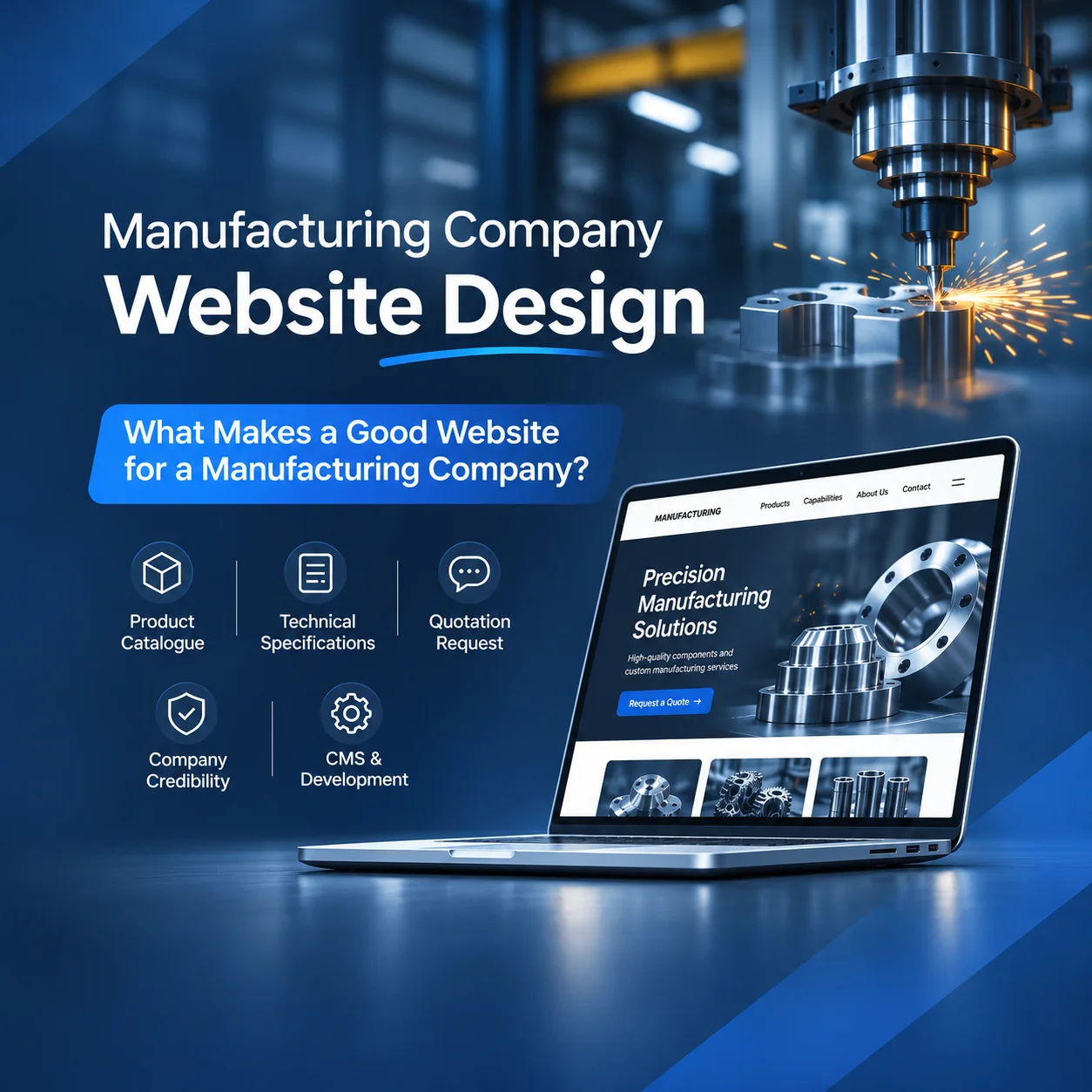
What Makes a Good Website for a Manufacturing Company?
For manufacturing businesses, a website needs to do more than introduce the company. It should help potential customers understand what the business produces, which industries it serves, and how to request further information.
Many manufacturers offer a wide range of products, materials or specialised services. If this information is difficult to navigate, potential customers may struggle to determine whether the company can meet their requirements.
A well-structured manufacturing website should make technical information accessible, demonstrate business capabilities and provide a clear path for enquiries.
For New Zealand manufacturers targeting local businesses or international buyers, the website can also serve as an important source of product and company information.
Here are five areas to consider when planning or redesigning a manufacturing company website.
1. How Should Manufacturing Products Be Organised?
Manufacturing websites often contain more product information than a standard corporate website.
Products may vary by material, size, specification, application or manufacturing process. Displaying everything on a single page can make it difficult for visitors to find relevant information.
A clear product structure helps solve this problem.
Depending on the product range, businesses may organise their websites by:
- Product categories and subcategories
- Materials or manufacturing processes
- Industry applications
- Product models and specifications
For example, a manufacturer supplying industrial components might organise products by component type, allowing visitors to explore specific models and technical details.
Businesses with larger catalogues may also benefit from search and filtering functions.
The aim is to help visitors narrow down their options without having to contact the business for basic product information.
2. What Information Should Product Pages Include?
A manufacturing product page should provide enough information for potential customers to assess whether a product is suitable for their requirements.
A product name and image may be sufficient for a basic overview, but technical buyers often require more detailed information.
Depending on the product, useful information may include:
- Dimensions, materials and technical specifications
- Available models or variations
- Compatible applications
- Downloadable brochures or specification sheets
- Relevant certifications or standards
For manufacturers providing custom-made products, explaining available manufacturing capabilities can be equally important.
Clear technical information can also reduce repetitive enquiries about specifications already available on the website.
However, businesses should ensure that published information remains accurate when products or specifications change.
3. How Can a Manufacturing Website Support Quotation Requests?
Unlike a typical online retail store, a manufacturing website may not need a shopping cart or immediate checkout.
Many B2B customers require quotations based on quantities, specifications, customisation or project requirements.
A structured Request for Quotation (RFQ) form can make this process easier.
A quotation form might collect:
1. Product or service requirements — What the customer needs. 2. Quantity and specifications — Relevant sizes, materials or order quantities. 3. Supporting documents — Drawings or technical files where appropriate. 4. Contact details — Information needed for the sales team to respond.
The form should request information relevant to preparing a quotation without becoming unnecessarily complicated.
For businesses handling multiple product categories, quotation requests can also be directed to the appropriate department.
More advanced websites may connect submitted enquiries with internal customer management or quotation systems.
> A useful manufacturing website should make it easier for the right customers to provide the information needed for a meaningful quotation.
4. How Can Manufacturing Companies Demonstrate Credibility?
Manufacturing customers often need to assess a supplier's capabilities before making contact.
A professional website should therefore explain more than the products available.
Information about manufacturing processes, equipment, quality management and industry experience can help visitors understand what the company offers.
Where relevant and verifiable, businesses may include certifications, project information and examples of completed work.
Photographs of actual facilities, equipment and products can also provide useful context.
For New Zealand manufacturers working with overseas customers, clear English-language technical information and accessible contact details can support initial supplier evaluation.
Credibility comes from presenting specific, accurate information rather than relying on broad claims about quality or expertise.
5. Should Manufacturers Use a CMS or Custom Website Development?
The appropriate website platform depends on the size of the product catalogue and the functions required.
A Content Management System (CMS) may be suitable when the website primarily needs product pages, company information, technical resources and regular content updates.
However, businesses with complex product filtering, customer-specific pricing or connections to existing operational systems may require additional development.
For example, a manufacturer might want product information displayed on the website to be updated from an internal database.
Another business may need separate access permissions for distributors or registered customers.
These requirements should be reviewed before choosing a development approach.
A CMS can often be extended with additional functionality, while custom development may be appropriate for business-specific workflows.
The important question is whether the chosen system can support the website's requirements and remain manageable as information changes.
Final Thoughts
A manufacturing company website should be designed around the information customers need when evaluating products and suppliers.
Clear product categories, detailed specifications, practical quotation forms and credible company information can help visitors understand the business before making an enquiry.
For New Zealand manufacturing companies, the most suitable website is not necessarily the one with the largest number of features.
It is the one that presents technical information clearly and supports the way the business communicates with its customers.