Professional Website Design: What Makes Customers Stay Longer
2026.04.28
Many businesses focus heavily on one goal when building a website: getting visitors to arrive.
They invest in SEO, Google Ads, social media campaigns, referral partnerships, online directories, and ongoing content marketing. Traffic comes in. People land on the homepage.
But getting visitors is only the first step.
What happens next often matters far more than many owners realise.
If visitors leave within seconds, the opportunity disappears before trust has time to build. If they stay longer, explore multiple pages, compare services, and understand the business clearly, the chance of enquiry usually increases.
That is why professional website design is not only about appearance. It is about creating an experience that encourages visitors to continue.
In competitive markets such as New Zealand and Australia, customers often compare several businesses quickly. The website that keeps attention longer frequently earns the next click, the enquiry, or the sale.
Why Staying Longer Matters
When customers spend more time on a website, it usually signals genuine interest.
They may be reviewing services, checking credibility, comparing options, or deciding whether to make contact.
Longer engagement creates more opportunities for a business to communicate value, answer concerns, and reduce hesitation.
For example, a visitor who stays longer is more likely to:
Read service pages View pricing or process information Check testimonials Look at recent projects Learn about the team Click a contact form Return later and enquire Share the website with decision makers
This does not mean time on site is the only metric that matters.
But in many cases, short visits reflect confusion, low trust, weak relevance, or poor user experience. If people leave too quickly, they may never reach the information that would have convinced them.
What Makes Customers Stay Longer
Professional websites usually hold attention because they remove friction and build confidence quickly.
Several factors make a strong difference.
What Helps Visitors Stay Why It Works Clear homepage headline Explains value quickly Easy navigation Helps users move naturally Modern visual presentation Creates confidence Fast loading speed Prevents early exits Mobile-friendly layout Matches real browsing habits Helpful content structure Makes scanning easier Trust signals Reduces hesitation
When visitors feel comfortable and informed, they are more likely to continue browsing.
Good websites guide attention instead of forcing visitors to search for answers. They create momentum. Once visitors feel progress, they tend to keep exploring.
Clear Messaging Wins First
Many websites lose attention because they try to say too much too early.
Long introductions, vague slogans, and unclear wording often force visitors to work too hard just to understand the business.
A stronger approach is simple.
Visitors should understand these three points quickly:
What does the business do? Who is it for? Why should I choose it?
If those answers are clear within seconds, attention usually lasts longer.
Clarity keeps people engaged because people stay where things feel easy to understand.
Clear messaging is especially valuable for service businesses where trust depends on understanding expertise quickly.
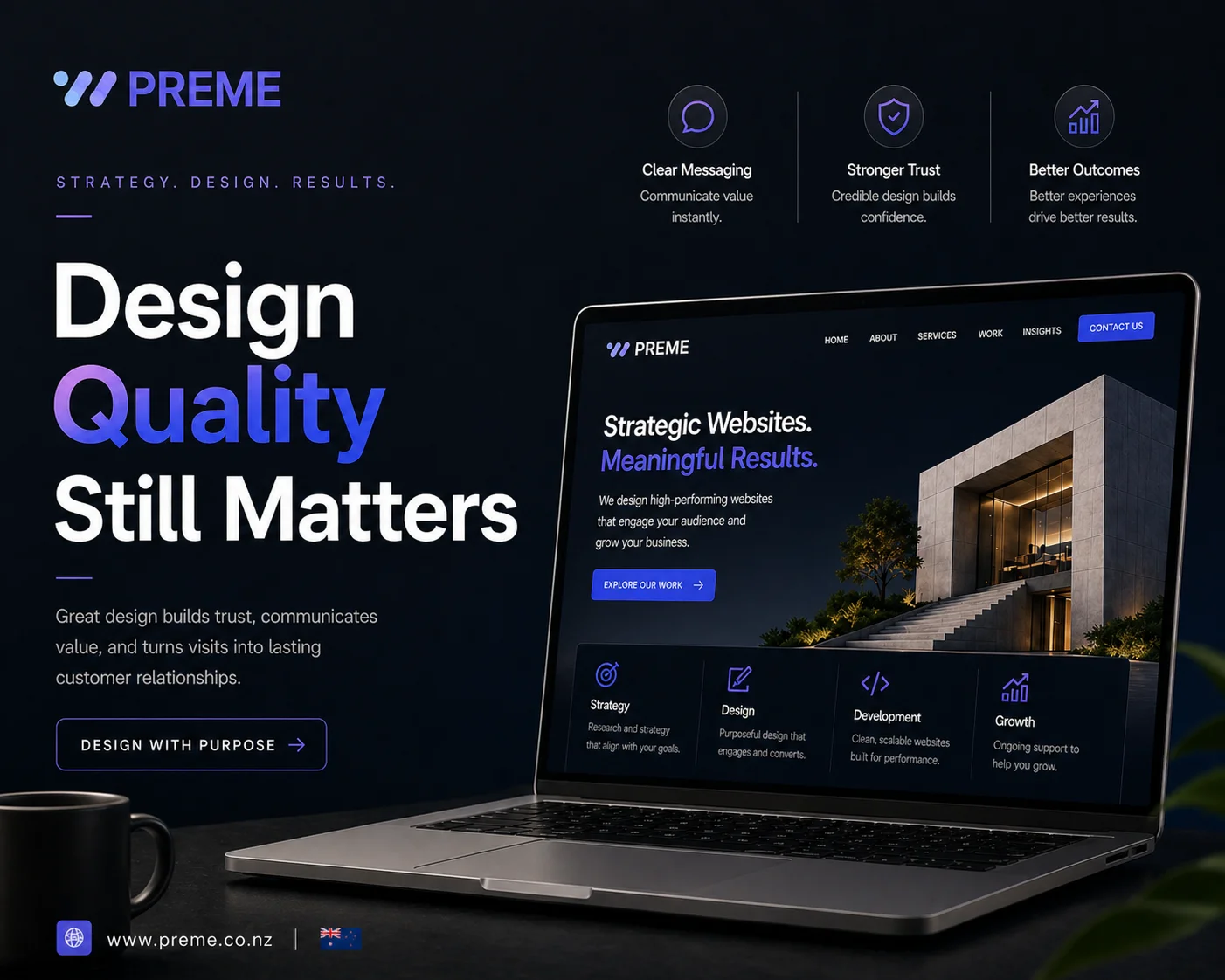
Design Quality Still Matters
Some businesses underestimate visual quality.
While design alone does not create conversions, poor design can reduce trust immediately.
Outdated layouts, inconsistent spacing, cluttered pages, weak typography, and low-quality images can make even a capable business look smaller or less professional than it really is.
Professional website design helps visitors feel that the business is organised, current, and reliable.
That feeling often determines whether they continue or leave.
Design is not decoration. It is part of communication. It tells visitors whether the company pays attention to detail and takes its work seriously.
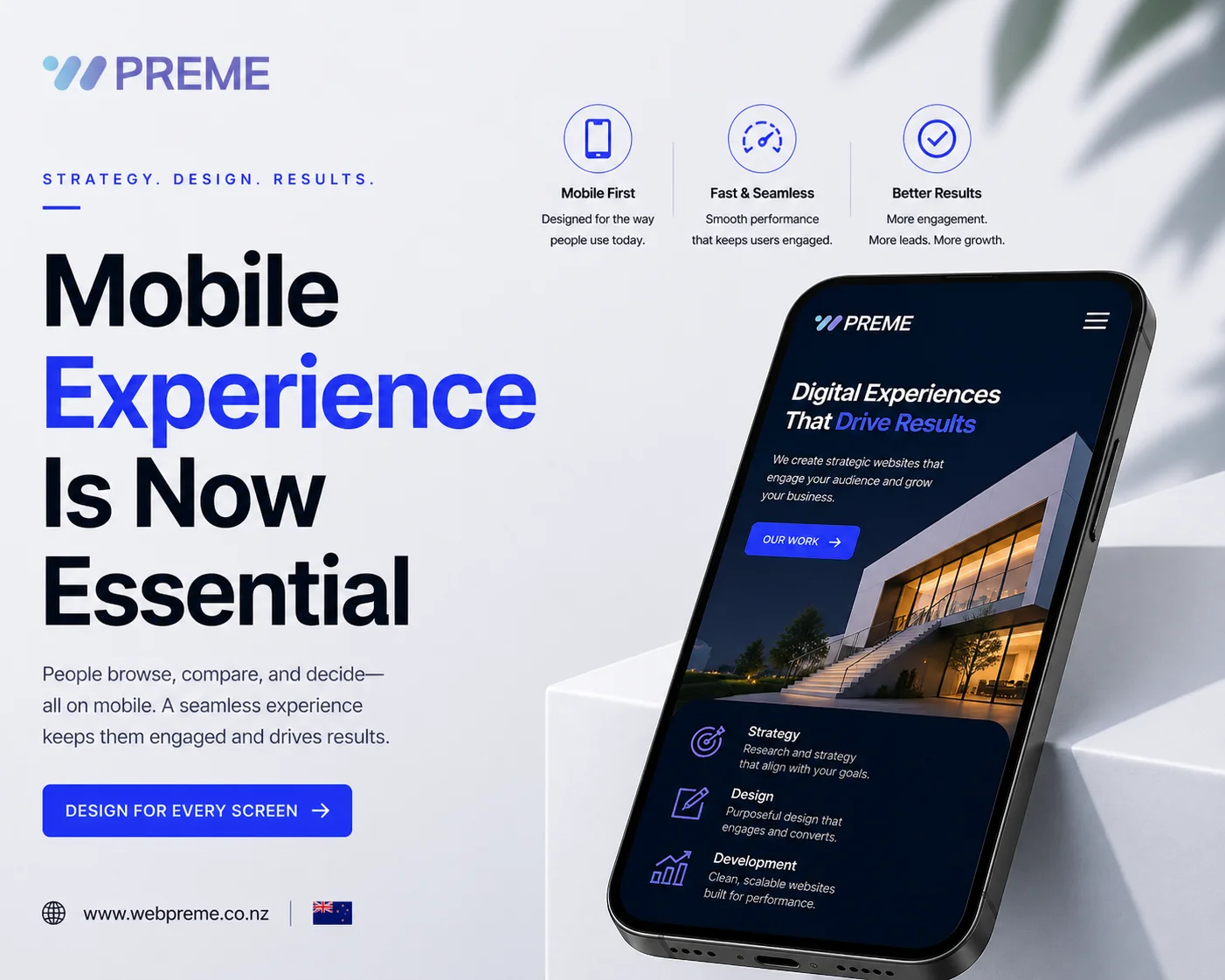
Mobile Experience Is Now Essential
In many industries, most first visits now happen on mobile devices.
That means a website may be judged first on a phone screen, not a desktop monitor.
If mobile users need to zoom in, struggle to click buttons, wait too long for pages to load, or scroll through cluttered sections, they often leave quickly.
Professional websites are designed to perform smoothly across devices.
This is especially important in New Zealand and Australia, where mobile browsing behaviour is strong across both local search and direct traffic.
A strong mobile experience often determines whether the customer continues browsing or moves to a competitor.
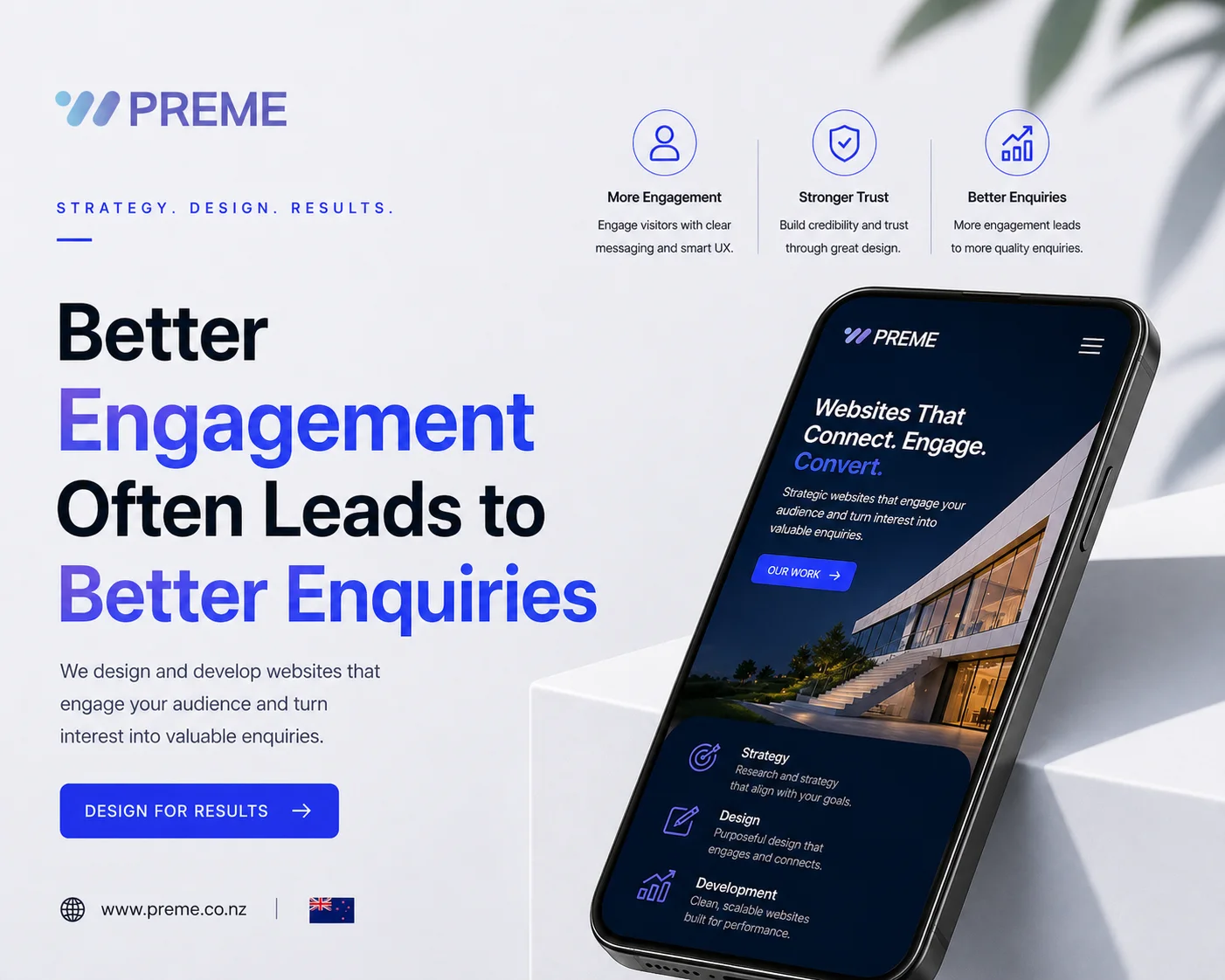
Better Engagement Often Leads to Better Enquiries
Visitors who stay longer are usually learning more.
They are seeing proof, understanding services, comparing value, and reducing uncertainty.
That often leads to stronger enquiries because the visitor is already more informed before contacting the business.
Instead of asking basic questions, they arrive with clearer intent and greater confidence.
This can improve lead quality as well as enquiry volume.
In many cases, the best leads come from people who spent time understanding the business first.
Final Thoughts
Professional website design is not about making a website look expensive.
It is about making visitors feel comfortable enough to stay, explore, and trust what they see.
When customers stay longer, they have more chances to understand why your business is the right choice.
In fast-moving markets like New Zealand and Australia, that extra attention can make a real difference.
At WebPreme, we build professional websites that hold attention longer, strengthen trust, and turn more visitors into genuine business opportunities.