Why Fast Websites Convert Better Than Slow Ones
2026.06.22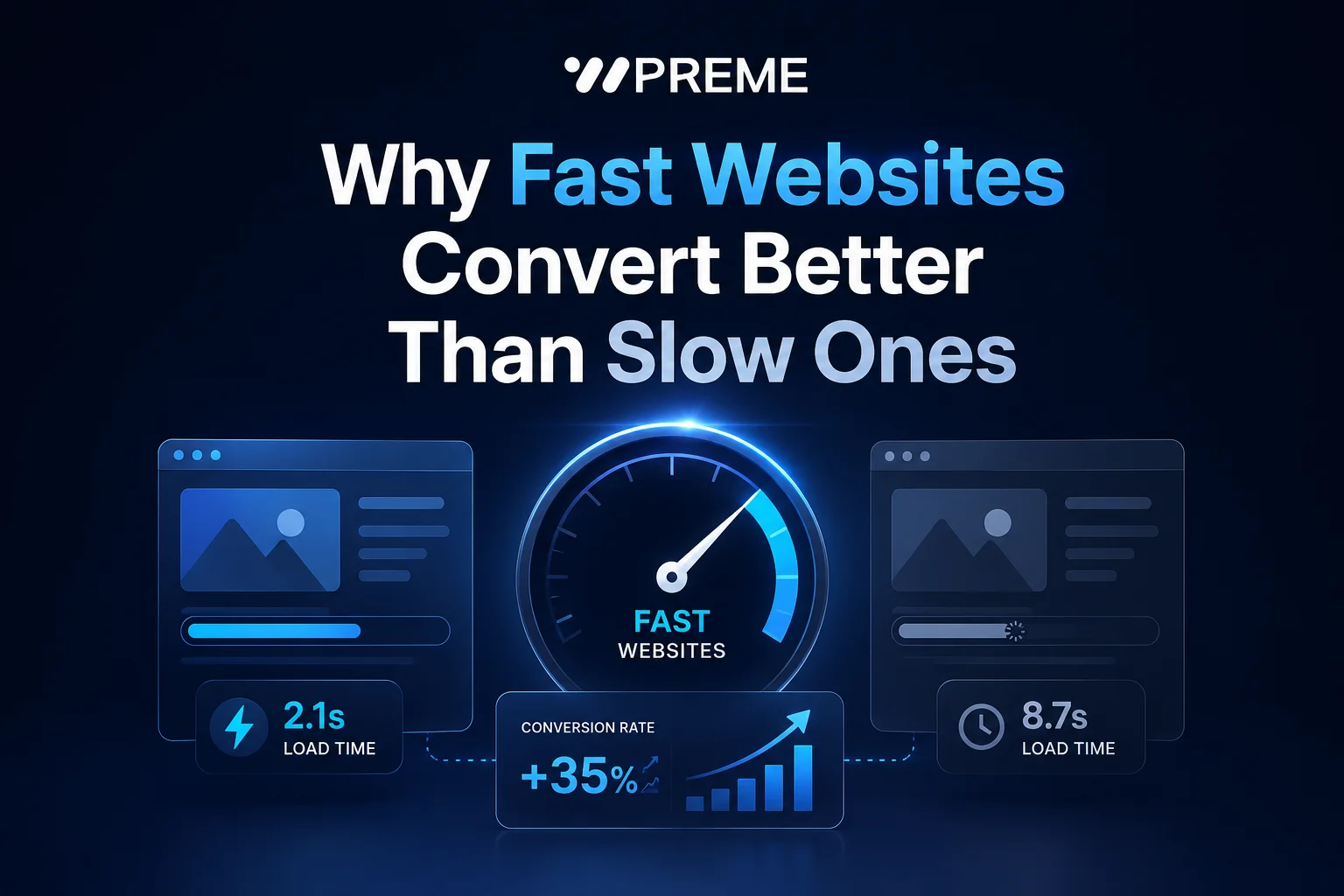
Why Fast Websites Convert Better Than Slow Ones
A business website has only a few seconds to make a positive first impression. Before visitors read your services, view your portfolio, or submit an enquiry, they experience something much more basic: speed.
Many business owners focus on design, branding, and content when planning a website, but performance is often overlooked. In reality, website speed has a direct impact on how users interact with a business online. A slow-loading website can create frustration before a visitor even reaches the information they are looking for.
As online competition continues to grow, website speed is becoming an increasingly important factor in attracting leads, generating enquiries, and improving overall business performance.
Speed Influences User Behaviour More Than Most Businesses Realise
People expect websites to load quickly. Whether they are searching for a service provider, comparing suppliers, or researching a potential partner, users want immediate access to information.
When a website takes too long to load, visitors often leave before they have a chance to explore the content. In many cases, they simply return to search results and choose a competitor instead.
This behaviour is not limited to e-commerce websites. Professional service companies, manufacturers, consultants, construction firms, and B2B organisations can all lose potential opportunities due to poor website performance.
Website speed affects how users perceive a business. A fast website feels modern, professional, and reliable. A slow website can create the opposite impression, regardless of how attractive the design may be.
For many visitors, speed becomes part of the overall brand experience.
Slow Websites Create Friction Throughout the Customer Journey
The impact of website speed extends far beyond the initial page load.
Visitors interact with multiple pages during their decision-making process. They may review services, read case studies, browse project examples, and visit contact pages before submitting an enquiry.
If each page takes longer than expected to load, small delays begin to accumulate. What seems like a minor inconvenience can gradually become a frustrating experience.
This friction often leads to:
- Higher bounce rates
- Lower engagement
- Fewer page views
- Reduced enquiry submissions
- Lower conversion rates
Businesses frequently invest significant resources into marketing campaigns to attract visitors. However, if the website itself creates unnecessary obstacles, much of that investment can be wasted.
A faster website helps remove friction and creates a smoother path from initial visit to final conversion.
Mobile Users Are Less Patient Than Ever
Mobile traffic now represents a significant portion of website visits across most industries.
Unlike desktop users, mobile visitors are often browsing while travelling, working, or multitasking. They expect information to be available instantly and are less likely to tolerate delays.
A website that performs adequately on a desktop computer may still provide a poor experience on mobile devices if optimisation has not been considered properly.
Common issues include:
- Large image files
- Unoptimised scripts
- Slow hosting environments
- Excessive animations
- Poor mobile performance
Businesses that ignore mobile speed risk losing a large percentage of potential customers before meaningful engagement occurs.
Fast mobile experiences not only improve usability but also increase the likelihood that visitors will stay longer and take action.
Website Speed Is a Business Issue, Not Just a Technical Issue
Many organisations view website speed as a technical matter that should be handled by developers. While technical optimisation is important, the impact of speed reaches far beyond development.
Website performance influences marketing effectiveness, lead generation, customer trust, and overall business results.
A faster website can help businesses:
- Increase enquiries
- Improve user engagement
- Strengthen brand credibility
- Reduce visitor abandonment
- Support long-term growth
The companies that achieve the best results online often understand that performance is part of the customer experience. They treat website speed as a business asset rather than a technical afterthought.
When combined with strong content, clear messaging, and effective website structure, speed becomes a powerful contributor to conversion success.
Fast Websites Create Better Business Outcomes
Every improvement to website speed makes it easier for potential customers to engage with a business.
Visitors can access information more quickly, navigate more smoothly, and complete important actions without unnecessary delays. These improvements may seem small individually, but they have a significant impact when combined across thousands of website visits.
As competition continues to increase online, businesses can no longer rely solely on attractive design or quality content. Performance plays an equally important role in determining whether visitors stay, engage, and ultimately convert.
A fast website does more than improve technical metrics. It creates a better user experience, strengthens trust, and supports business growth. In many cases, the difference between a website that generates enquiries and one that struggles to perform comes down to how quickly visitors can access the information they need.
For businesses looking to improve conversion rates, website speed remains one of the simplest and most effective areas to optimise.