Your Website Is Working 24/7—Is It Actually Selling?
2026.07.23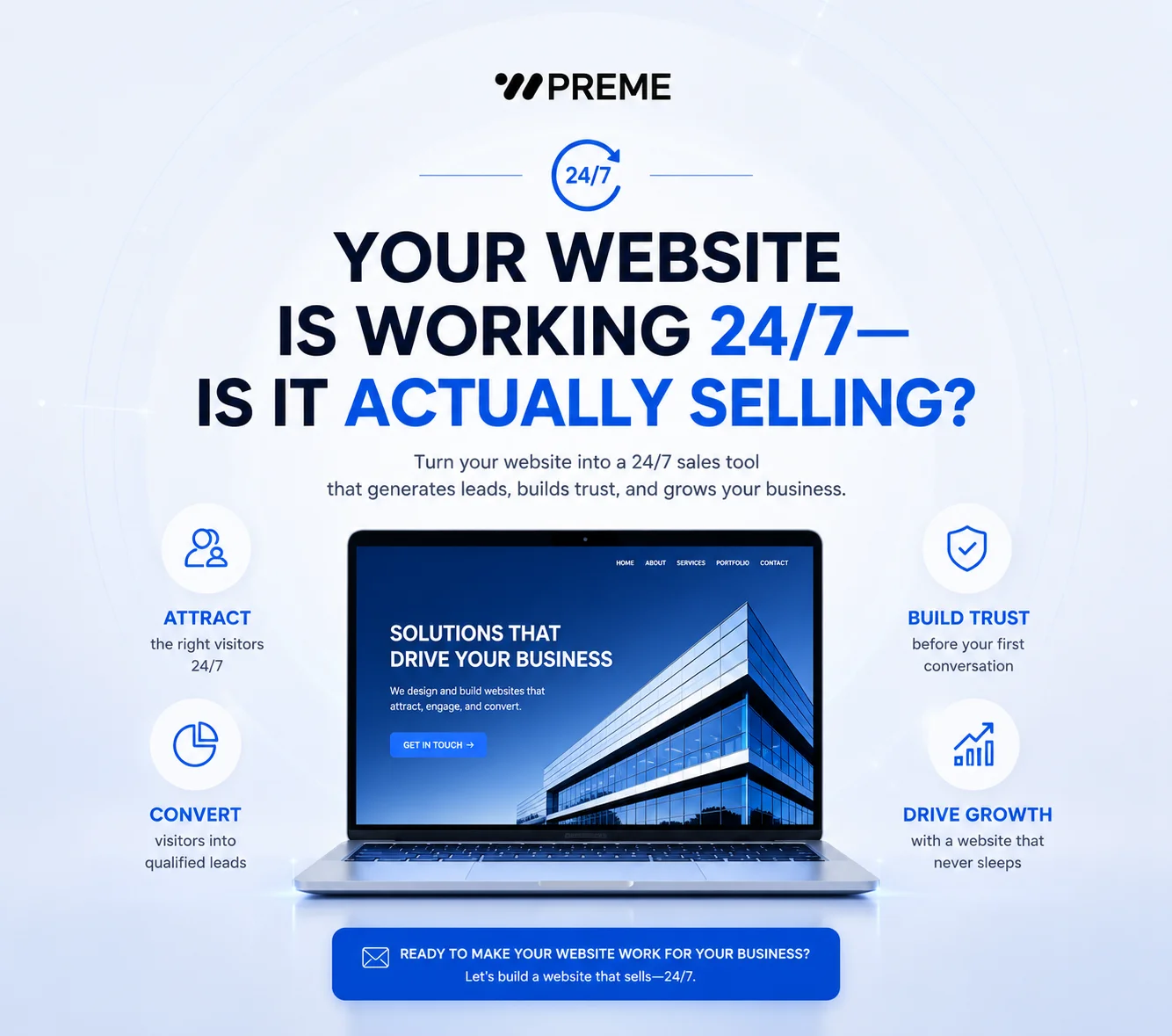
Your Website Is Working 24/7—Is It Actually Selling?
Many businesses proudly mention that their website is available 24 hours a day. While that's technically true, simply being online doesn't mean a website is actively helping the business grow. A website that only displays company information is very different from one that builds trust, answers questions, and encourages visitors to become customers.
Today's buyers often complete most of their research before speaking with a sales representative. They compare companies, review services, evaluate credibility, and decide whether a business is worth contacting. If your website isn't supporting that decision-making process, it may be online around the clock—but it isn't truly working for your business.
A Business Website Should Guide Visitors Toward Action
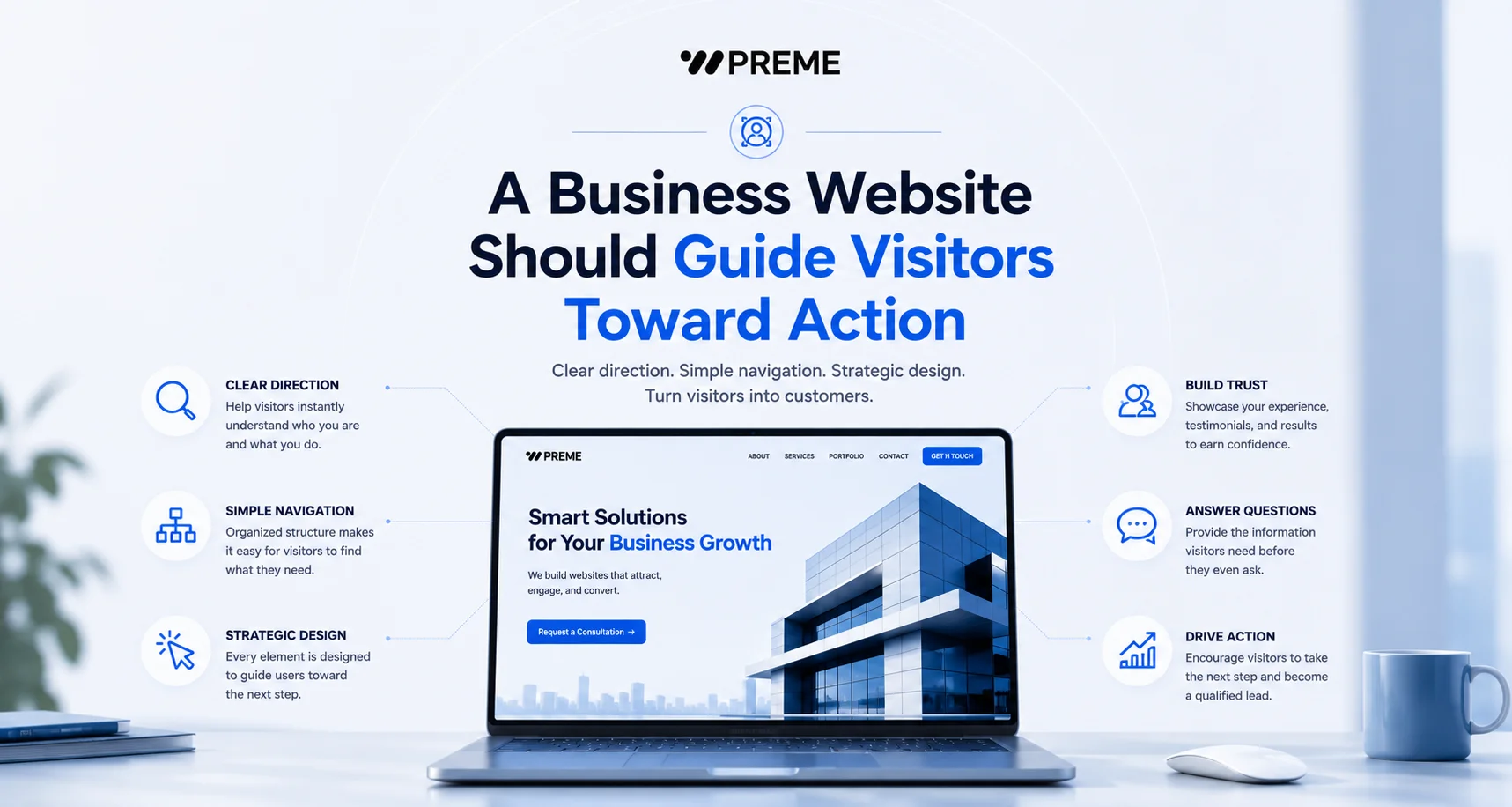
Many corporate websites focus entirely on presenting information. They introduce the company, list services, and display a few images, but they rarely tell visitors what to do next. Without a clear direction, potential customers often leave the website before taking any meaningful action.
A high-performing website guides users naturally through every stage of the journey. Visitors should quickly understand what your business offers, why they should trust you, and how they can move forward. Clear navigation, structured content, and strategically placed calls to action help remove uncertainty and make the next step obvious.
Rather than functioning as an online brochure, your website should actively encourage engagement throughout the browsing experience.
Trust Should Be Built Before the First Conversation
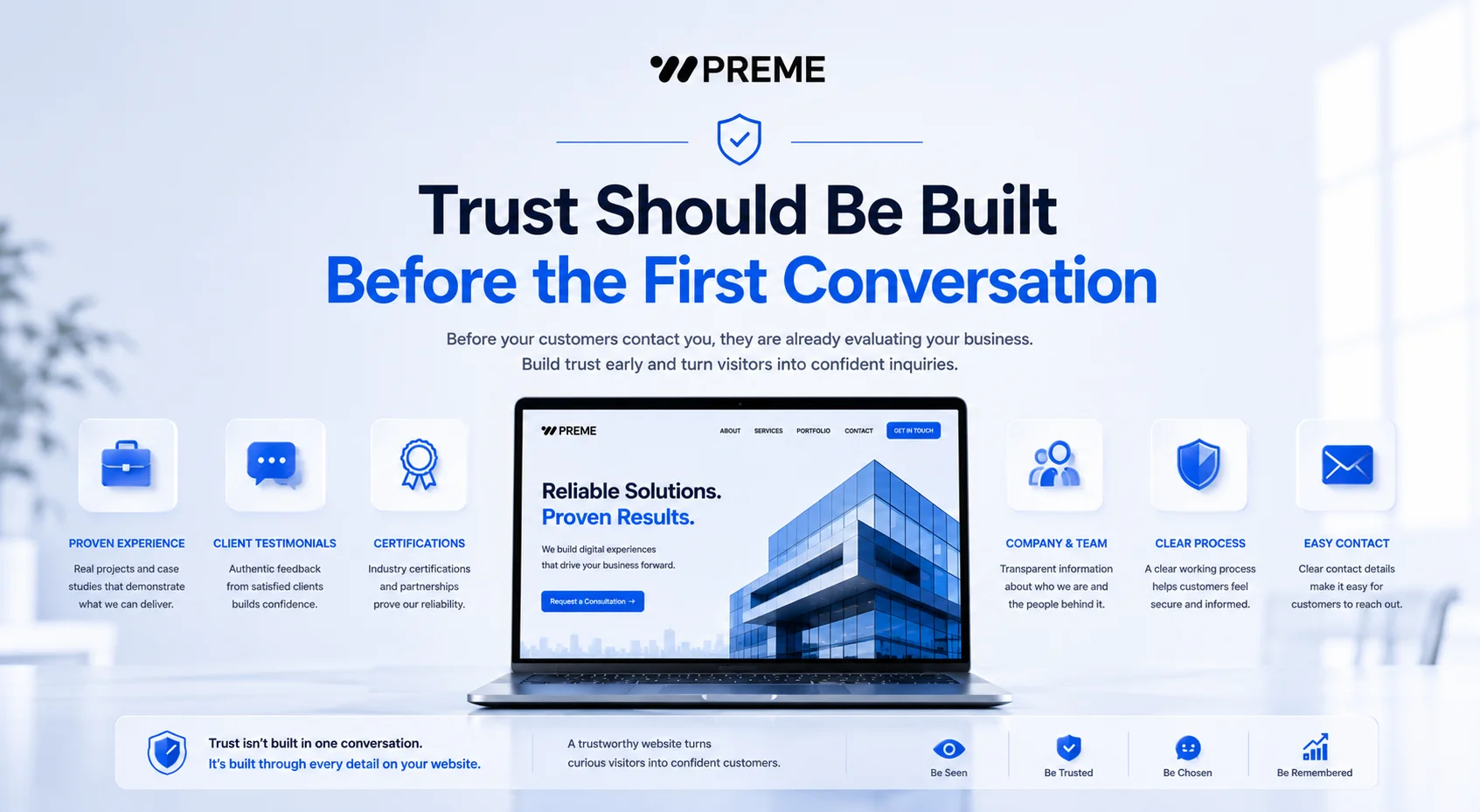
Before contacting your business, potential customers are already forming opinions. They evaluate your experience, professionalism, and reliability based on what they see online. Every page contributes to that first impression.
Strong trust signals can significantly improve the quality of inquiries. Detailed project portfolios, customer testimonials, certifications, company history, team introductions, and professional visual design all work together to reassure visitors that your business is capable of delivering results.
A website that communicates credibility consistently makes it easier for visitors to move forward with confidence instead of continuing to compare competitors.
Answer Questions Before Customers Need to Ask
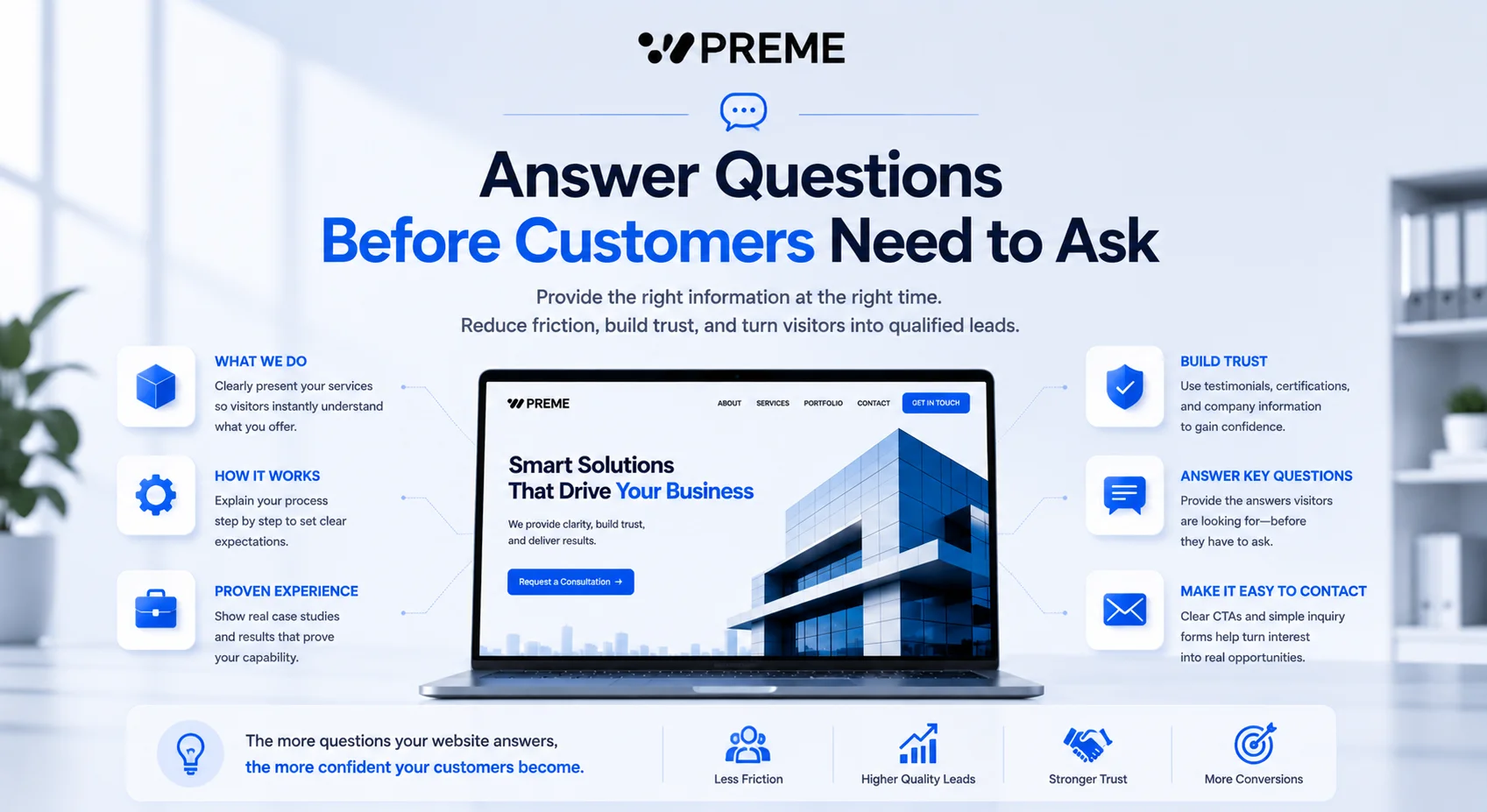
One of the biggest opportunities for any business website is reducing unnecessary friction. Many inquiries begin with the same questions about services, pricing, project processes, timelines, or company experience. When those answers are difficult to find, visitors either contact your team for basic information or leave the website altogether.
Instead of expecting your sales team to answer these questions repeatedly, your website should provide the information customers need before they decide to reach out.
Your website should clearly explain:
The services your business provides. How your working process is structured. Previous projects and successful outcomes. Certifications, qualifications, or industry experience. The simplest way to contact your team.
Providing these answers early creates a smoother customer experience while allowing your sales team to focus on meaningful conversations rather than repetitive explanations.
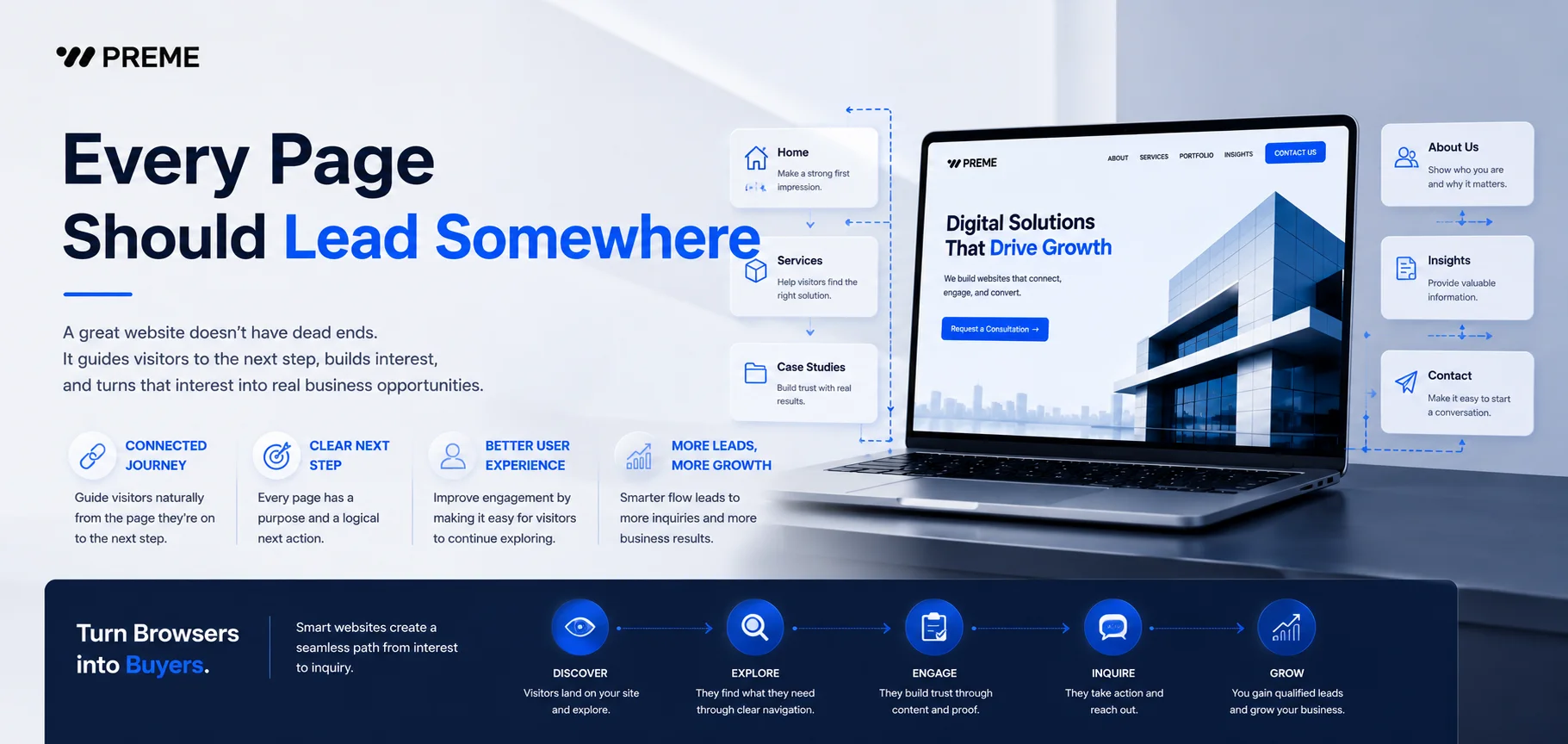
Every Page Should Lead Somewhere
One of the most common website mistakes is creating pages with no logical next step. Visitors finish reading valuable information but are left wondering where to go next.
Every important page should gently encourage users to continue their journey. After learning about a service, they might explore related projects. After reviewing a portfolio, they should be able to request a consultation. After understanding your company, contacting your team should feel effortless.
Small improvements to user flow often have a greater impact on lead generation than a complete visual redesign. A website becomes far more effective when every page contributes to a connected customer journey instead of existing independently.
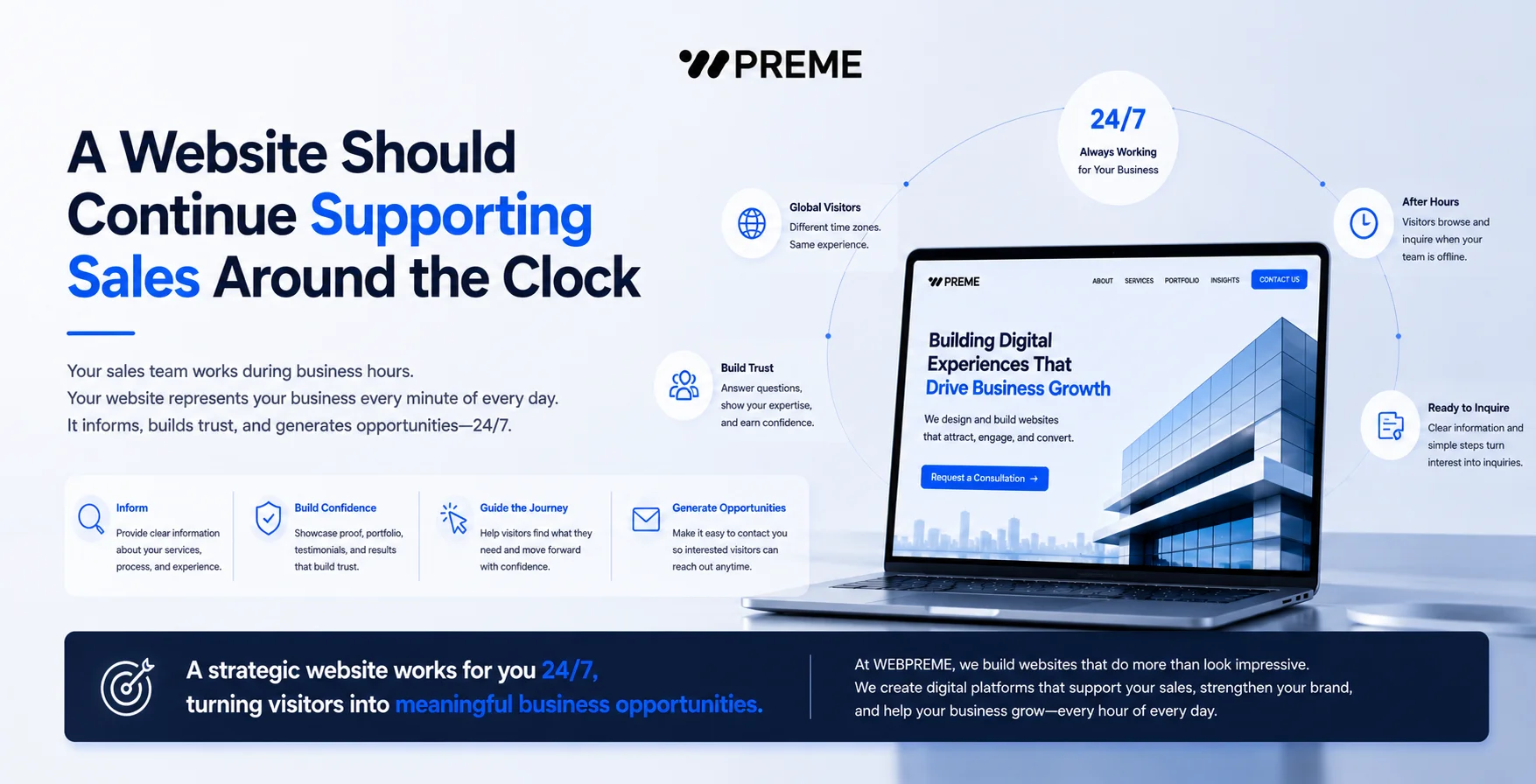
A Website Should Continue Supporting Sales Around the Clock
Your sales team works during business hours, but your website represents your business every minute of every day. Visitors from different time zones, busy professionals researching after work, and potential customers comparing multiple companies all rely on your website long before making contact.
A well-planned website allows visitors to understand your business, explore your services, review your experience, and submit inquiries whenever they're ready. It doesn't replace your sales team—it prepares potential customers before the first conversation even begins.
At WEBPREME, we believe a business website should do far more than present information. It should build trust, reduce unnecessary sales work, guide visitors naturally through every stage of the customer journey, and continuously generate opportunities for business growth. When designed strategically, your website becomes one of the most valuable sales assets your company owns.