What International Travellers Expect from a Tourism Website
2026.07.20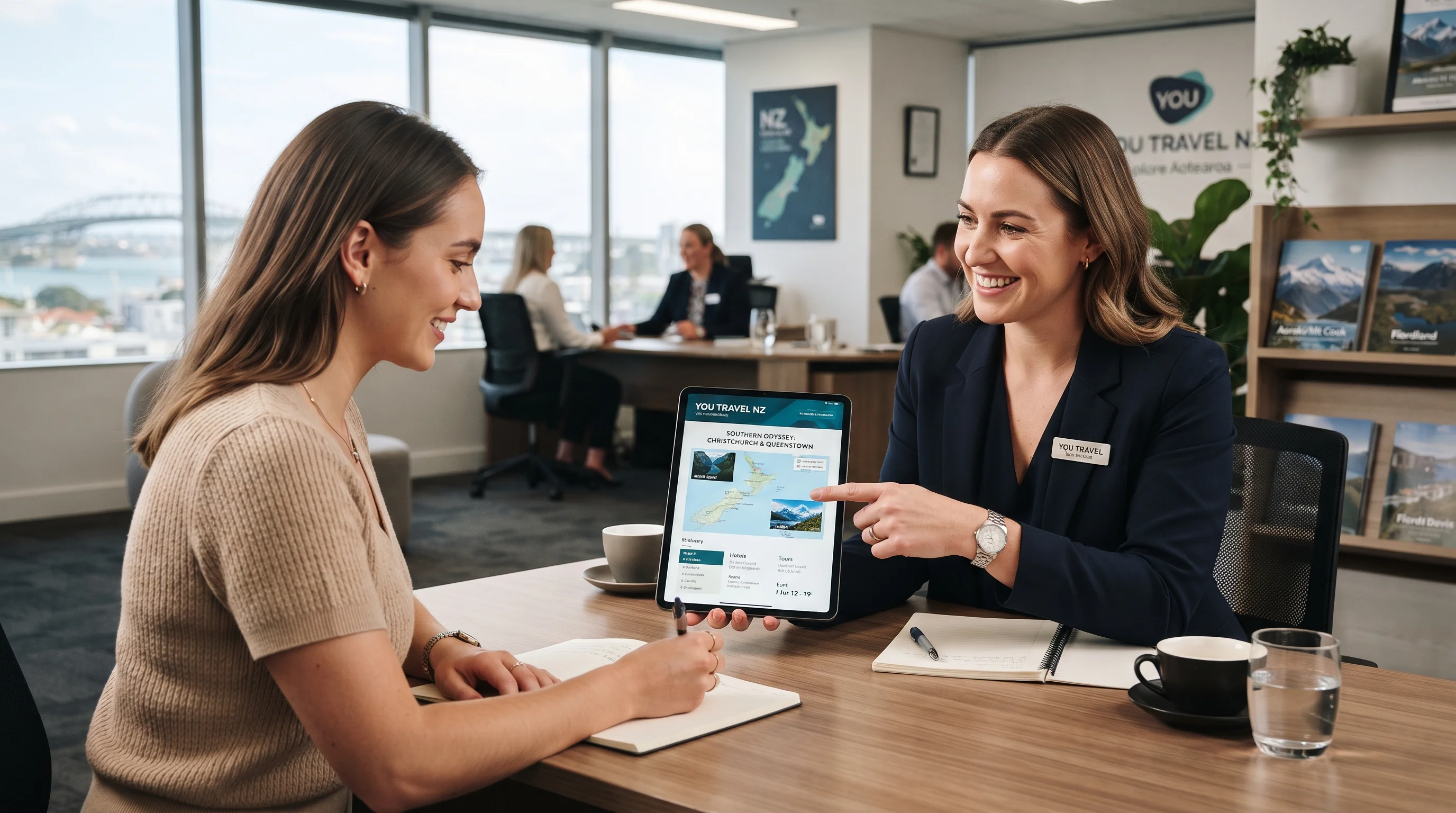
What International Travellers Expect from a Tourism Website
The tourism industry has become increasingly digital. Before contacting a travel agency or booking a tour, most travellers begin their journey online. They compare destinations, explore tour packages, read reviews, and evaluate whether a business appears trustworthy. A company's website is often the very first interaction a potential customer has with the brand, making it one of the most important business assets in today's travel market.
For tourism businesses, a website is no longer just an online brochure. It is a platform that introduces destinations, answers questions, builds confidence, and guides visitors toward making a booking. Companies that understand how travellers search for information are far more likely to convert website visitors into customers.
International Travellers Look for Trust Before They Book

Travel involves both financial and emotional commitment. People are purchasing experiences rather than physical products, which means they need reassurance before making a decision.
Professional photography, authentic customer reviews, company information, and clear contact details all contribute to building credibility. Travellers want to know who they are booking with, how experienced the company is, and whether they can rely on the service being offered.
Displaying certifications, awards, partnerships, or years of industry experience can further strengthen confidence. Even small details such as consistent branding, accurate information, and a secure website influence purchasing decisions.
A trustworthy website reduces uncertainty and encourages visitors to move forward with their booking.
Clear Information Creates Better Customer Experiences
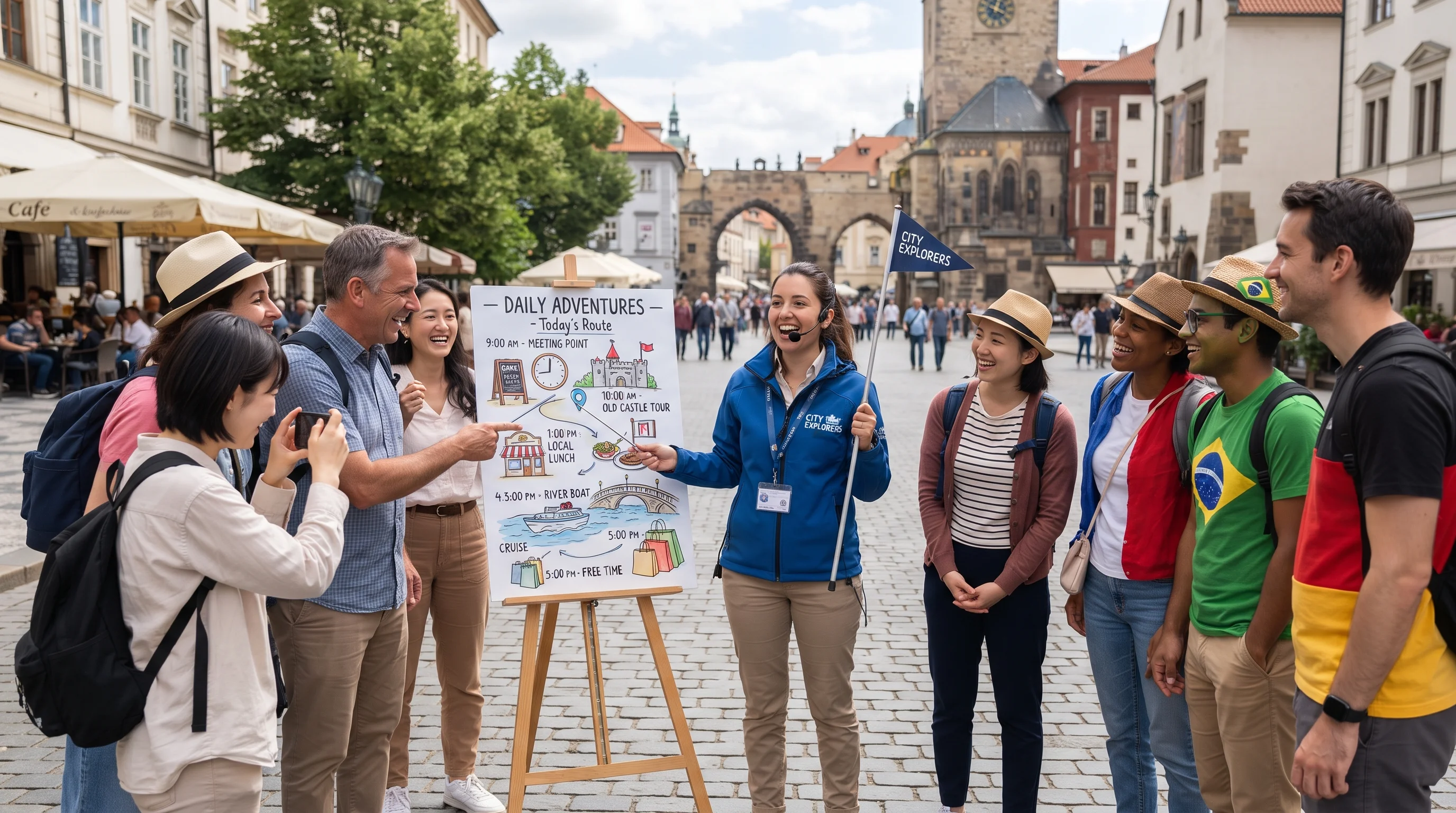
One of the most common reasons visitors leave tourism websites is the lack of clear information. If travellers cannot quickly understand what is included in a package, how long the tour lasts, or what the cancellation policy is, they often continue searching elsewhere.
Successful tourism websites organise information in a simple and logical way.
Visitors should easily find:
Tour schedules Prices and inclusions Meeting locations Cancellation policies Frequently asked questions Contact options
Instead of overwhelming users with large blocks of text, information should be presented using clear headings, visual elements, and easy-to-read layouts.
When visitors find answers without effort, they are more likely to complete a reservation.
Mobile Experiences Matter More Than Ever
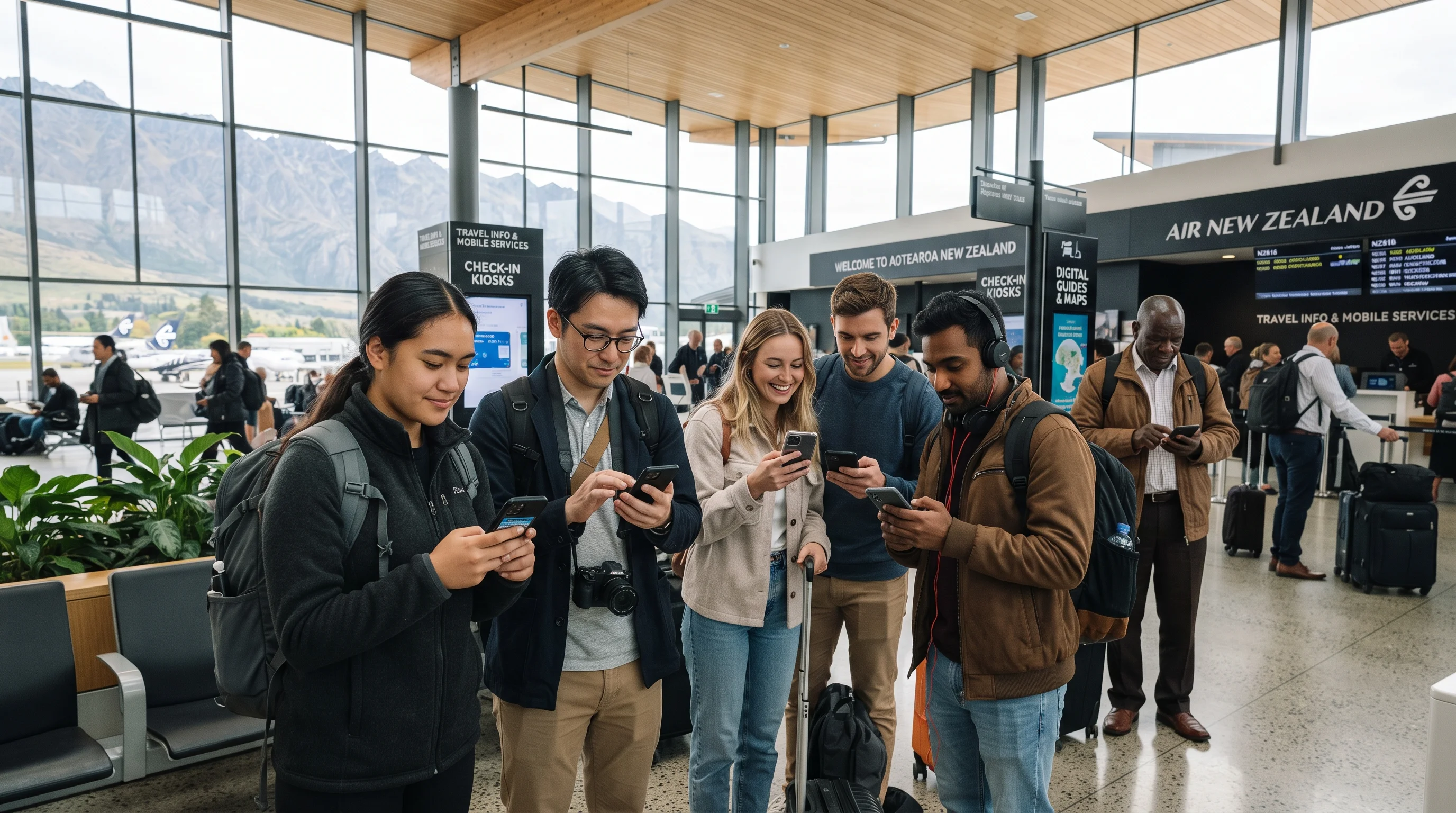
Today's travellers frequently research destinations while commuting, relaxing at home, or already travelling. Smartphones have become the primary device for discovering tourism businesses.
A mobile-friendly website is no longer optional. Pages should load quickly, images should be optimised without sacrificing quality, and navigation should remain simple regardless of screen size.
Booking forms should also be designed for mobile users. Long or complicated forms often discourage customers from completing inquiries. The easier it is to request information or reserve a tour, the higher the likelihood of generating business opportunities.
Responsive design improves both user satisfaction and search engine visibility, making it an essential investment for tourism companies.
Beautiful Design Should Support Business Goals
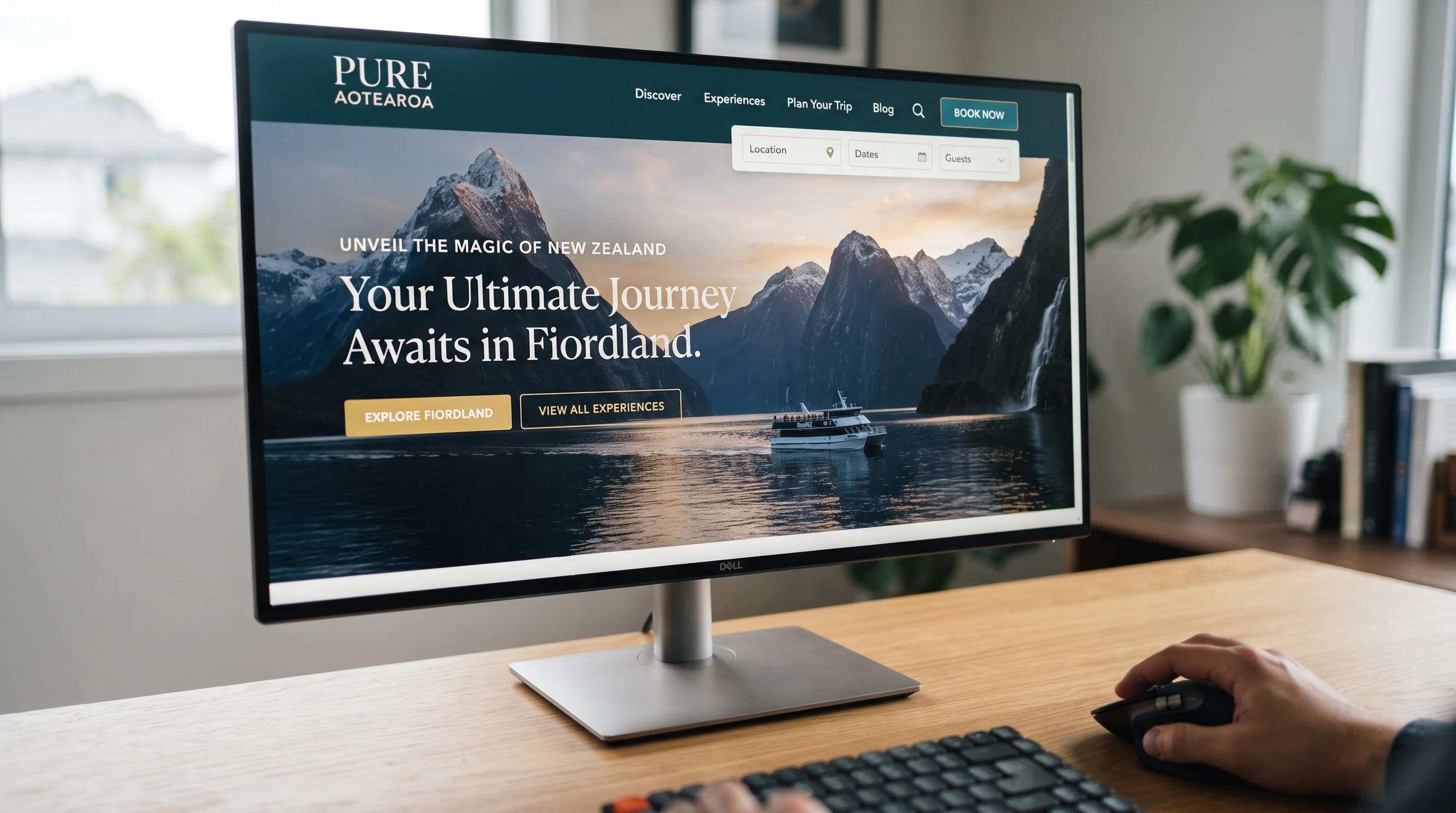
Travel is naturally visual, so attractive design plays an important role. However, design should never distract from usability.
Beautiful imagery should inspire travellers while guiding them toward meaningful actions. Every page should have a clear purpose, whether it is encouraging an inquiry, showcasing a destination, or presenting available tour packages.
Navigation should remain intuitive, allowing visitors to move naturally through the website. Strong calls-to-action, consistent layouts, and thoughtful page structures help create a smooth experience that supports business objectives rather than simply looking attractive.
The most successful tourism websites combine aesthetics with functionality.
Websites Should Be Ready for Global Audiences
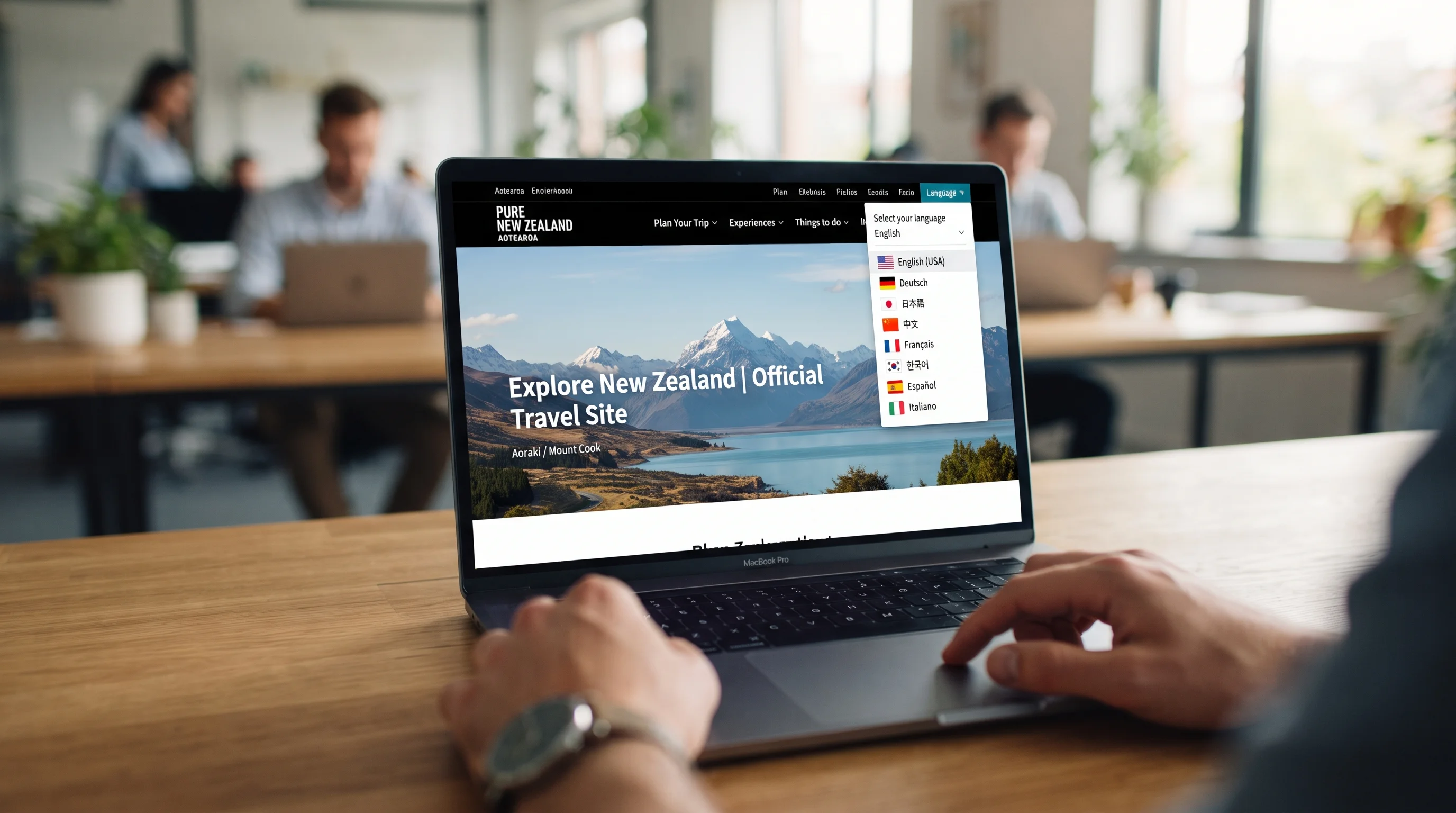
International travellers often come from different countries, cultures, and language backgrounds. Businesses hoping to attract overseas customers should design websites with accessibility and global usability in mind.
Offering multilingual content, displaying prices clearly, supporting multiple contact methods, and providing internationally recognised payment options all improve the overall customer experience.
Travel companies should also ensure that important information such as transportation details, local regulations, and seasonal recommendations is easy to understand for visitors who may be unfamiliar with the destination.
A website that welcomes international customers demonstrates professionalism and expands business opportunities beyond domestic markets.
Conclusion
Tourism websites play a much larger role than simply displaying travel packages. They introduce businesses, establish trust, answer questions, and guide visitors toward making confident booking decisions.
As customer expectations continue to evolve, travel agencies and tourism operators benefit from investing in websites that prioritise clarity, usability, mobile accessibility, and global readiness. Businesses that deliver a seamless online experience are better positioned to attract international travellers, strengthen their brand reputation, and achieve sustainable growth in an increasingly competitive tourism industry.